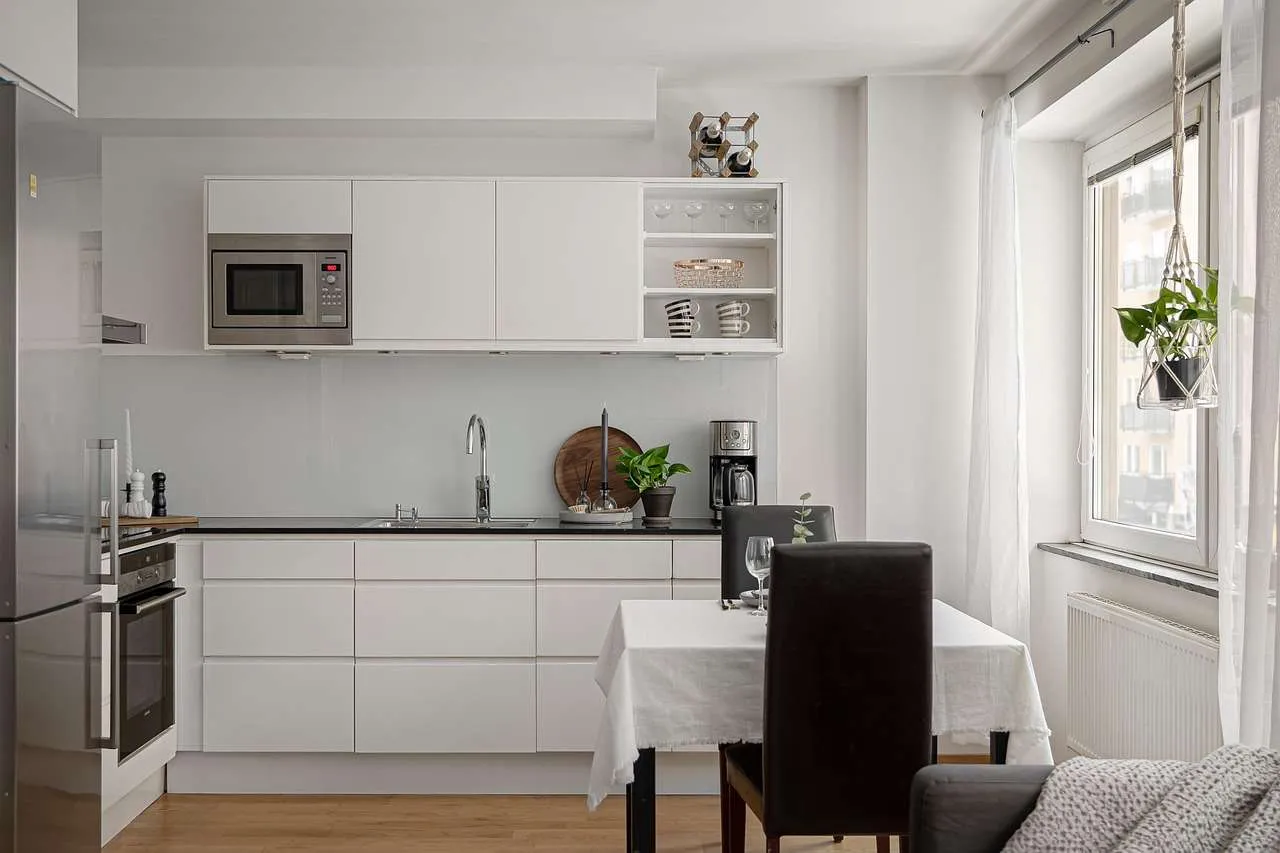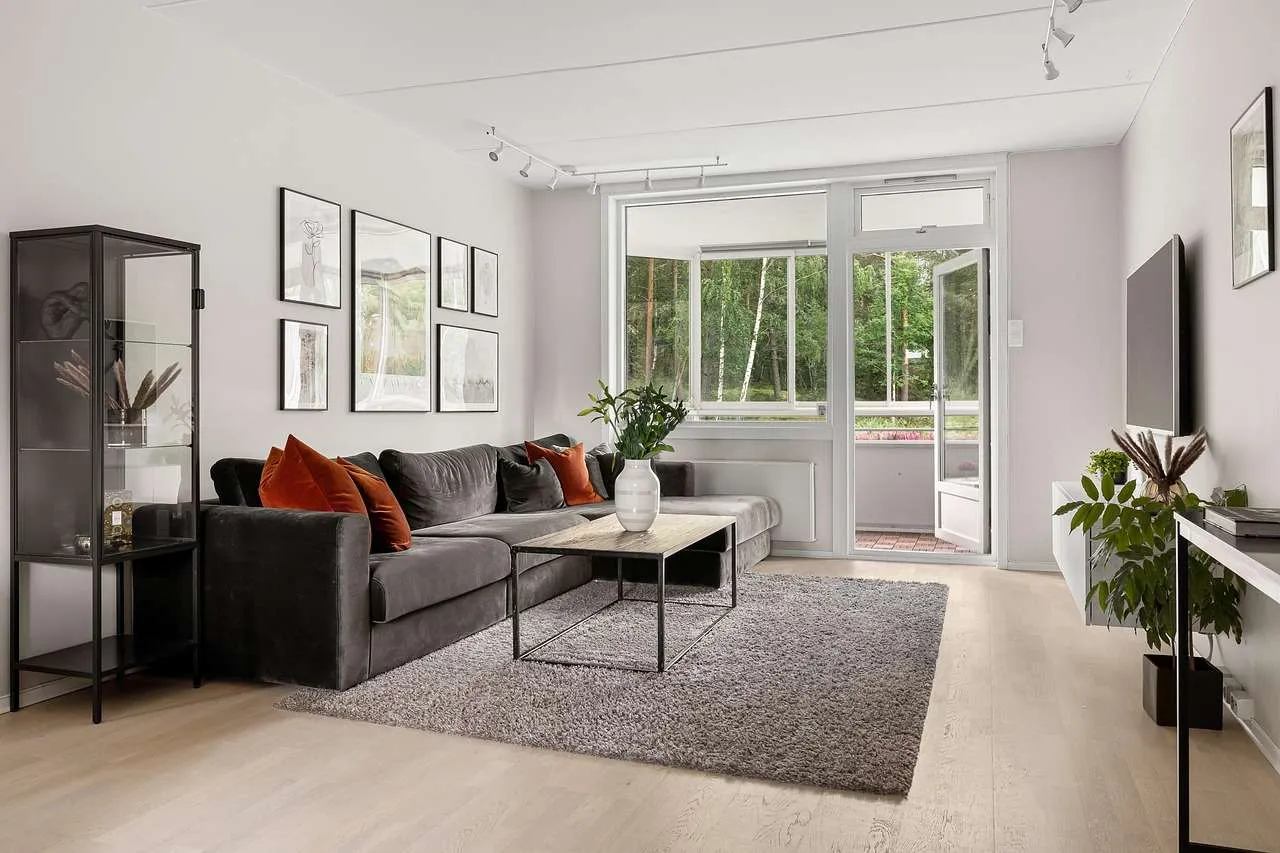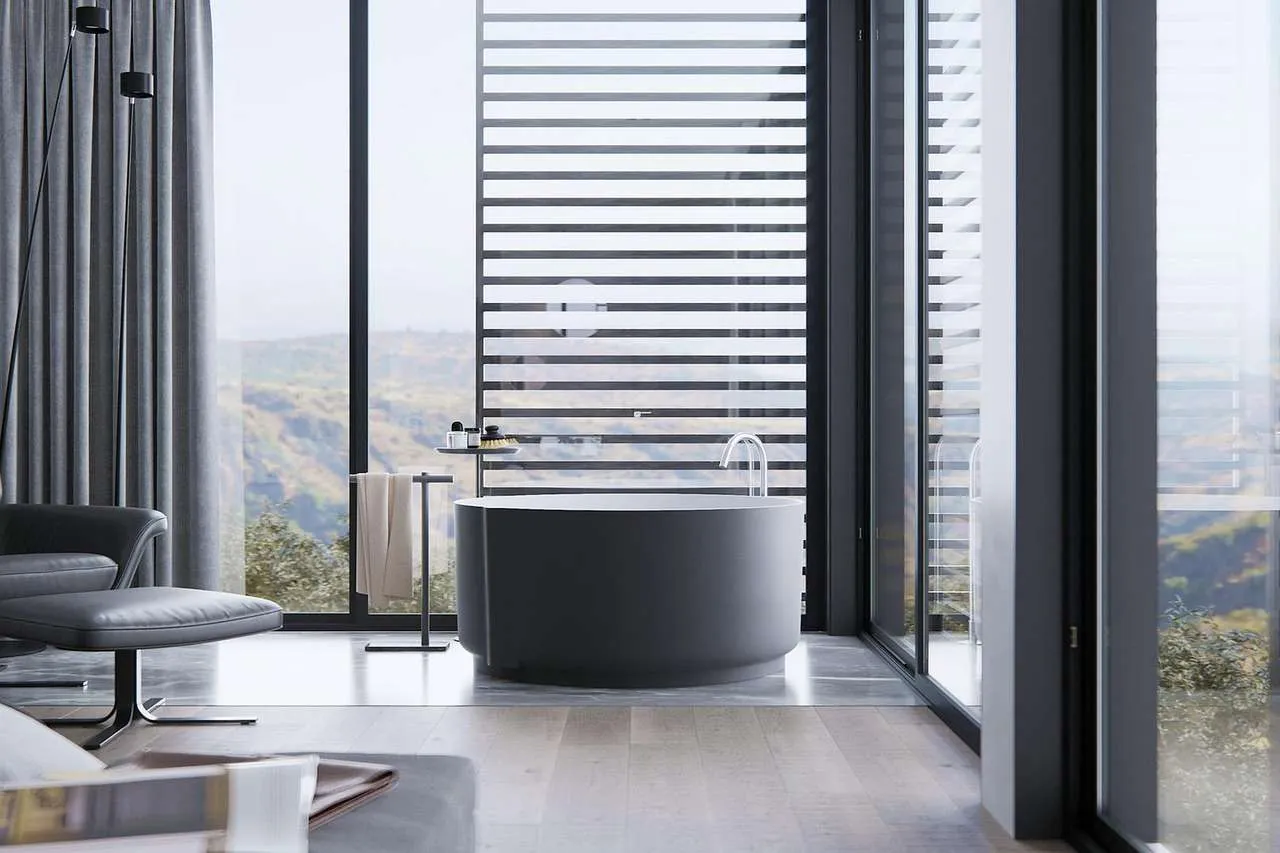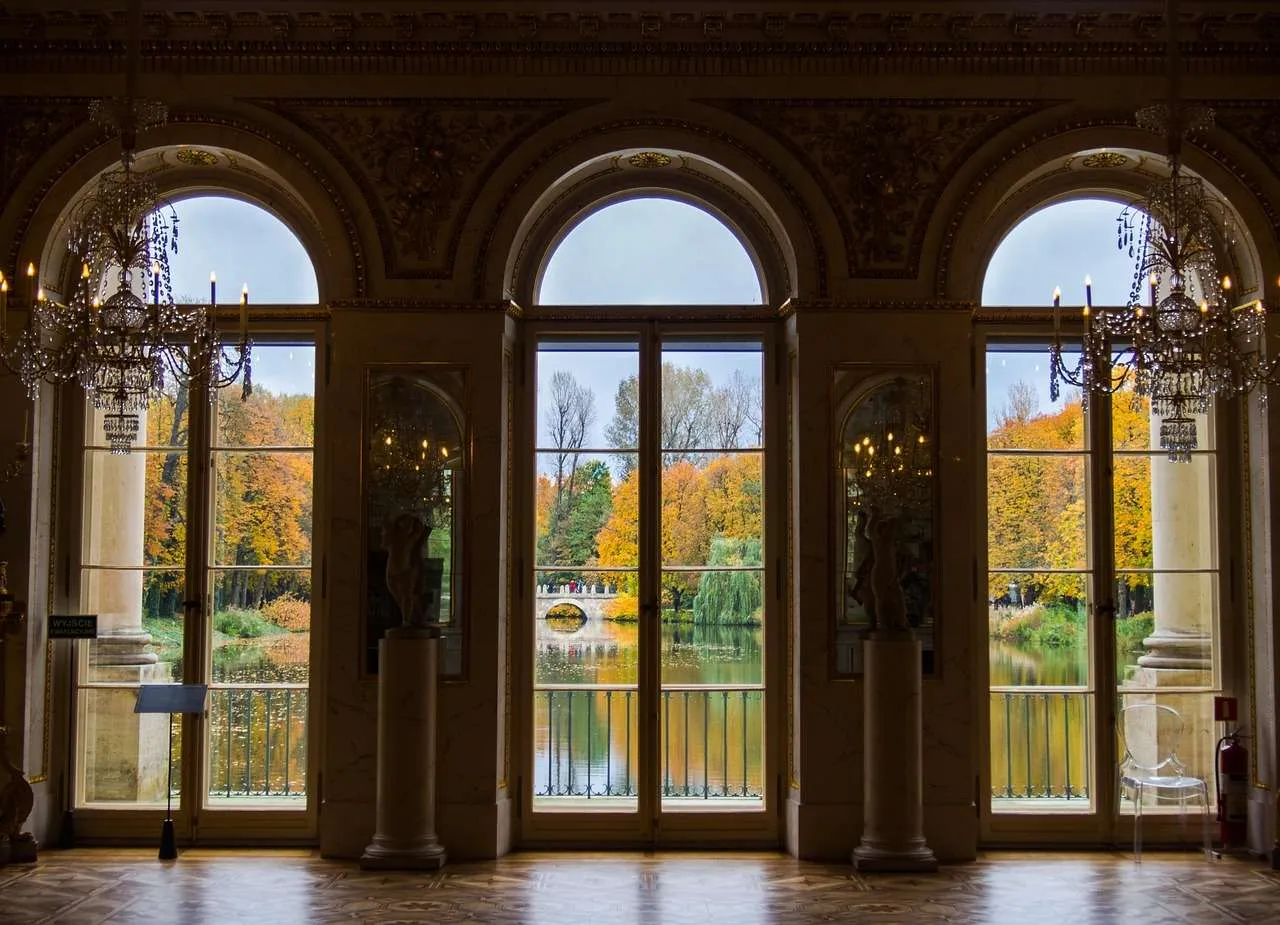
Window tint for home is a protective film applied to glass to improve comfort, energy efficiency, and privacy. Modern window films offer UV rejection, infrared heat control, and glare reduction while preserving natural light and aesthetics. For homeowners, selecting the right tint requires understanding sun exposure, climate, window orientation, and local regulations. This guide explains how window tint for home works, what to consider when selecting a tint, the different tint technologies, installation options, and maintenance tips to maximize performance and value.
Benefits of window tint for home
- Energy savings: By reducing solar heat gain, tint lowers cooling costs in hot climates.
- UV protection: High-quality films block up to 99% of ultraviolet rays, helping protect furnishings and skin.
- Glare reduction: Less glare creates more comfortable living spaces and easier viewing of screens.
- Privacy and security: Tints provide daytime privacy and can add shatter resistance to glass when selecting safety-rated films.
- Aesthetics and value: A range of tints can enhance curb appeal while preserving exterior visibility from inside the home.
How to choose the right window tint
Choosing the right window tint for home depends on several factors. Consider climate and sun exposure in your region, the orientation of your windows, and how much natural light you want to retain. Privacy needs vary by room and time of day, and local regulations may limit film darkness on certain windows or in specific zones. Your budget and long-term goals (energy savings, comfort, or resale value) should guide your decision. A reputable installer can help you balance light transmission with heat rejection and ensure a compliant installation.
Types of window tint technologies for homes
Dyed films
Dyed films are affordable and primarily reduce glare and heat by adding a colored layer. They tend to fade over time and can be less durable, but they offer a broad range of shades for aesthetics and privacy.
Metalized films
Metalized films reflect a portion of solar energy, providing strong heat rejection and improved strength. They may interfere with electronics and GPS signals if applied to certain areas, so consult your installer about placement and use cases.
Ceramic films
Ceramic films are non-metallic and offer excellent heat rejection, UV protection, and durability without interfering with electronics. They maintain color over time and tend to be more expensive but provide high performance in hot and sunny climates.
Carbon films
Carbon-based films deliver a rich, matte look with solid heat rejection and UV protection. They resist discoloration and are less prone to fingerprinting or glare issues, making them popular in modern homes.
Energy savings, UV protection, and comfort
Any window tint for home can contribute to energy efficiency by limiting solar heat gain, especially on south- and west-facing windows. In hot climates, a film with higher heat rejection can significantly reduce cooling loads, while lighter tints preserve visibility and daylight. UV protection helps safeguard interior furnishings from fading and reduces skin exposure inside the home. When selecting a film, review the visible light transmission (VLT) and infrared rejection ratings to find a balance between comfort and aesthetics.
Privacy, safety, and aesthetics
Privacy needs vary by room and time of day. Tints range from light to dark, and many modern films offer dual benefits of privacy and safety. Some films meet shatter resistance standards, improving safety in case of accidental impact. Aesthetically, you can choose from glossy, matte, or neutral finishes to complement interior design and exterior curb appeal while keeping the interior well-lit.
Installation options: Professional vs DIY
Professional installation generally yields the best results in terms of appearance and durability. Trained installers ensure precise cuts, bubble-free application, and proper edge sealing, which maximizes film longevity and warranty validity. DIY kits are an option for small projects or budget-conscious homeowners, but they require careful surface preparation, proper cleaning, and steady hands to avoid miscuts and air pockets.
Maintenance and longevity
Window tint for home requires minimal maintenance. Clean the film with mild, non-abrasive cleaners and a soft cloth to avoid scratching. Avoid ammonia-based cleaners on certain films, as they can degrade the coating over time. Periodic inspection for air bubbles, peeling, or edge lift helps catch installation issues early. Most quality films come with warranties that cover fading, bubbling, or peeling within a specified period, typically 5 to 15 years depending on the brand and climate.
Comparison at a glance: Tint technologies
| Tint Type | Light Transmission (VLT) | Heat Rejection (IR) | UV Rejection | Durability | Typical Cost |
|---|---|---|---|---|---|
| Dyed | Low to high range | Moderate | High | Moderate | Low |
| Metalized | Low to medium | High | High | High | Medium |
| Ceramic | Medium | Very high | Very high | Very high | High |
| Carbon | Medium | High | High | High | Medium-High |
Choosing a reputable installer and planning the project
To ensure EEAT-compliant results—expertise, authoritativeness, and trust—work with certified installers who provide testing data (VLT, UV rejection, and IR rejection) and warranty details. Ask for before-and-after energy performance estimates, local code compliance (for glass and tint darkness), and references from past clients. A transparent process and documented warranty reflect a trustworthy provider and give homeowners confidence in the long-term performance of window tint for home.
When considering a project, it helps to request a written specification listing the tint type, shade, performance metrics, installation timeline, and maintenance guidance. A well-documented plan demonstrates expertise and accountability, supporting a favorable outcome for energy efficiency, comfort, and home value.
Summary: The right window tint for home blends energy savings, UV protection, privacy, and style when you pick the tint type that matches climate, orientation, and budget and rely on professional installation for best results.