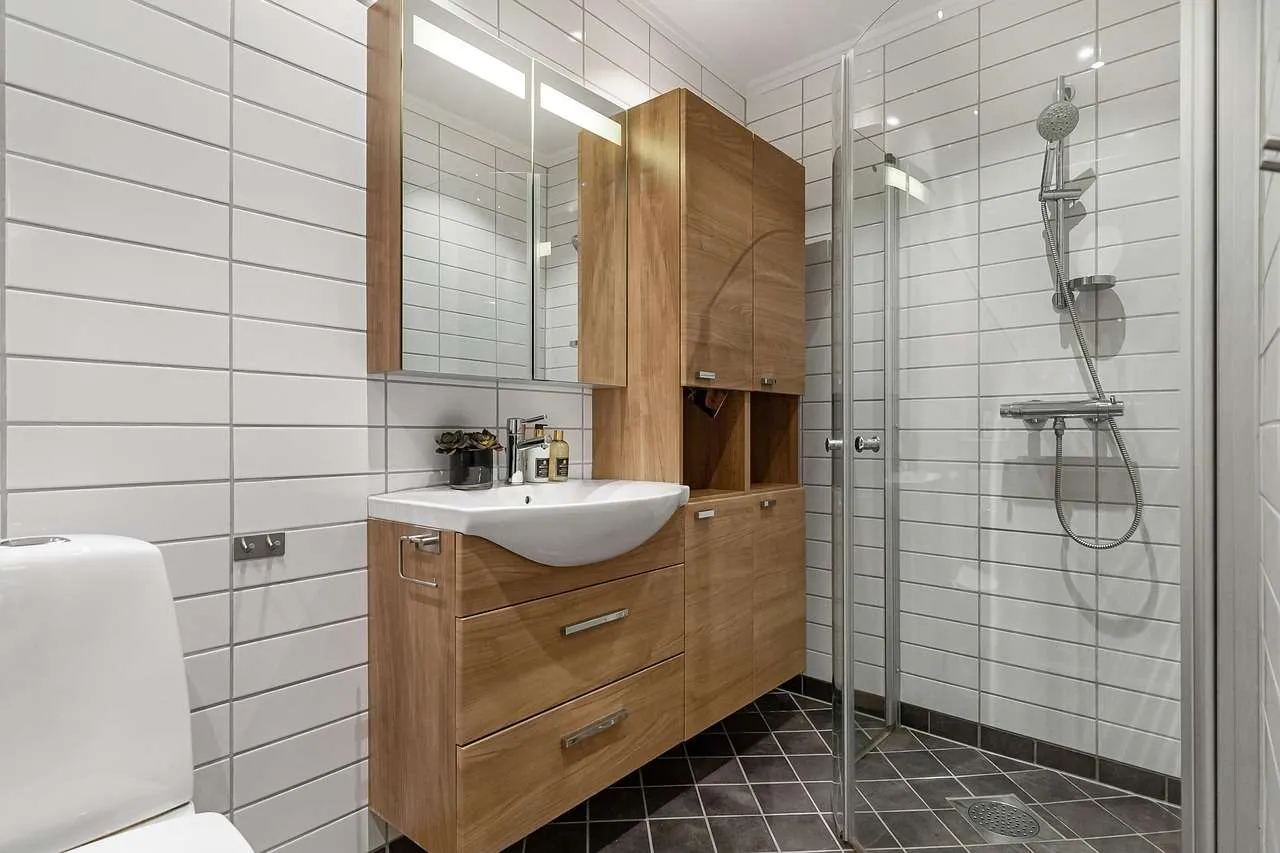
As a seasoned tile consultant, this guide covers everything you need to know about bathroom tiles, from materials to maintenance, ensuring you get durability and style.
Why bathroom tiles matter
Bathroom tiles are a foundational element in moisture-prone environments. They provide a waterproof barrier, resist stains, and create the visual rhythm of the space. The right tile choices influence safety through slip resistance, influence cleaning effort, and can boost home value. This section helps you prioritize durability, maintenance needs, and design versatility to meet real-world use.
Popular tile types for bathrooms
Porcelain and ceramic tiles
Porcelain and ceramic tiles are the workhorses of bathroom design. Porcelain is denser and less porous, offering excellent moisture resistance and durability for floors and showers. Ceramic tiles are typically more affordable and come in a vast array of colors and patterns. Both types are available in glossy, matte, and textured finishes to control glare and improve grip on wet surfaces.
Natural stone tiles
Natural stone such as marble, travertine, or slate brings luxury and warmth. They require periodic sealing to repel water and stains and may be more susceptible to etching from acids. When properly maintained, stone tiles can last a lifetime and create a high-end aesthetic.
Glass and mosaic tiles
Glass tiles add reflections and depth, making small bathrooms feel brighter. They are non-porous and easy to clean but can be slippery on floors if highly polished. Mosaic sheets are ideal for shower niches and backsplashes, offering creative patterns and color accents.
Cement and large-format tiles
Cement tiles deliver bold contemporary looks with unique patterns. Large-format tiles reduce grout lines, creating a seamless feel and easier cleaning. They require proper substrate preparation and moisture management in bathrooms to avoid cracks and warping.
How to choose the right tile for your space
Start with moisture exposure, foot traffic, and maintenance tolerance. For floors in wet areas, choose slip-resistant finishes with a high dynamic coefficient of friction. Walls can tolerate more variation in color and texture since grout lines are less noticeable on vertical surfaces. Consider space size, color harmony, and the feeling you want to convey, as larger tiles can make small rooms feel bigger while smaller tiles offer texture and detail.
Size, layout, and pattern
Small bathrooms benefit from larger format tiles to minimize grout lines, though precise cutting around fixtures is essential. In showers, a combination of wall tiles with a durable accent piece highlights the focal point without overwhelming the space.
Durability, maintenance, and budget
Porcelain tends to be the most durable and water resistant, while ceramic offers affordability and versatility. Stone requires sealing and ongoing care, and glass and shiny surfaces may demand more frequent cleaning. Balance material costs with labor and long-term maintenance when budgeting.
Installation tips and common pitfalls
Professional installation ensures proper substrate preparation, waterproofing, and tile leveling. Use a cement-based thinset for bathroom floors and walls, verify flatness, and allow for expansion joints in larger areas. Avoid inadequate grout sealing on shower floors, which can trap moisture. Plan expansion joints around edges and fixtures to prevent cracking and cracking issues over time.
Design ideas and trends for bathrooms
Current trends favor warm neutrals, soft textures, and tonal contrasts. Matte finishes on large-format tiles hide minor smudges, while pebble or wood-look textures mimic natural materials. Neutral tiles with bold accents as shower niches or vanity backsplashes create focal points without overpowering the room. For safety, opt for slip-resistant textures on floor tiles and choose a grout color that complements the overall palette to maintain a cohesive look.
Quick comparison table: porcelain vs ceramic vs natural stone
| Material | Durability | Maintenance | Best Use | Cost |
|---|---|---|---|---|
| Porcelain | Very high | Low | Floors and showers | Moderate to high |
| Ceramic | Good | Low | Walls and floors | Low to moderate |
| Natural Stone | High | Sealing required | Showers, vanity walls | High |
| Glass | Good | Stain-prone if not sealed | Backsplashes, accents | Moderate to high |
| Cement | Moderate | Variable | Bold contemporary looks | Moderate |
Conclusion, choosing bathroom tiles is a balance of practicality and style. With the right material, surface, and finish, tiles can endure moisture, resist wear, and elevate your space for years.